


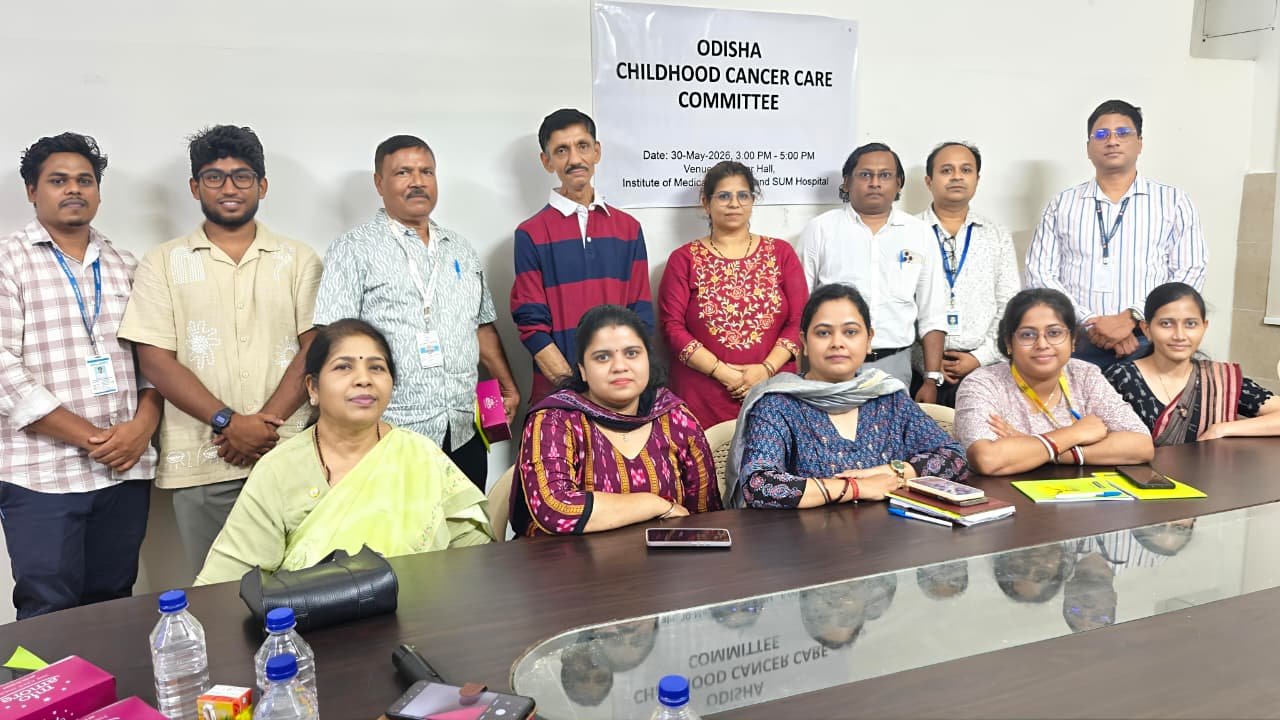
BHUBANESWAR: In a significant step towards strengthening childhood cancer care in Odisha, leading oncologists, social organizations, patient support groups and other stakeholders came together at SUM Hospital, Bhubaneswar, on May 30 to discuss a coordinated approach for improving treatment, awareness and support services for children battling cancer.
The meeting marked a major milestone in the formation of a collaborative state-level platform aimed at addressing the challenges of childhood cancer through collective action. Participants emphasized the need for stronger coordination among healthcare institutions, non-governmental organizations, volunteers and policymakers to ensure that every child diagnosed with cancer receives timely treatment and support.
Discussions focused on developing a sustainable framework that can improve awareness, facilitate early diagnosis, strengthen referral systems and enhance access to quality care across Odisha. Stakeholders highlighted the importance of community engagement, public awareness campaigns and strategic partnerships to bridge existing gaps in childhood cancer care.
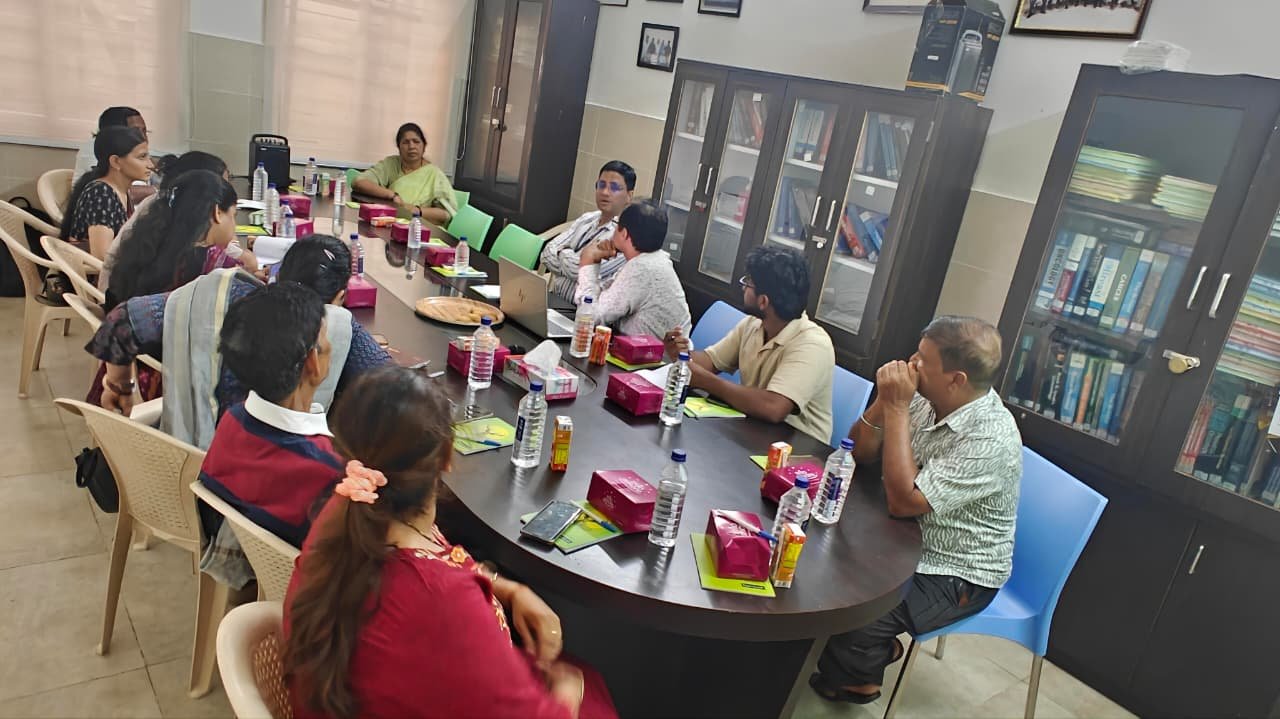
The gathering also explored ways to expand participation by involving survivors, parents, healthcare professionals and community leaders in future initiatives. The role of communication and media in spreading awareness and reducing stigma associated with childhood cancer was identified as a key priority.
Among those present were Dr. Saroj Prasad Panda, Dr. Nirmalya Deo Pradhan and Dr. Manasa Kakunje, Dr.Pragati Panda, Bimal Kanta Nayak, Aswini Kumar Darjee, Madhulita Patnaik, Lili Jenamani, Amrita Sahoo, and Nitai Goura Panigrahi.
Participants expressed a shared commitment to engaging with government agencies and other institutions to strengthen policy support and improve access to services. Plans were also discussed for capacity-building programmes, awareness campaigns, training initiatives and collaborative events in different parts of the state.
A special emphasis was placed on taking awareness activities beyond urban centres and reaching communities where knowledge about childhood cancer remains limited. Stakeholders agreed that early recognition of symptoms and timely medical intervention can significantly improve treatment outcomes.
The meeting concluded with a collective resolve to work together through a structured and collaborative approach to improve childhood cancer care outcomes across Odisha. The emerging network is expected to serve as a strong platform for advocacy, awareness, treatment support and stakeholder coordination in the years ahead.
The initiative is being viewed as an important development in Odisha’s fight against childhood cancer, with participants expressing optimism that a united effort can help ensure that no child is deprived of life-saving cancer care due to lack of awareness, access or opportunity.