


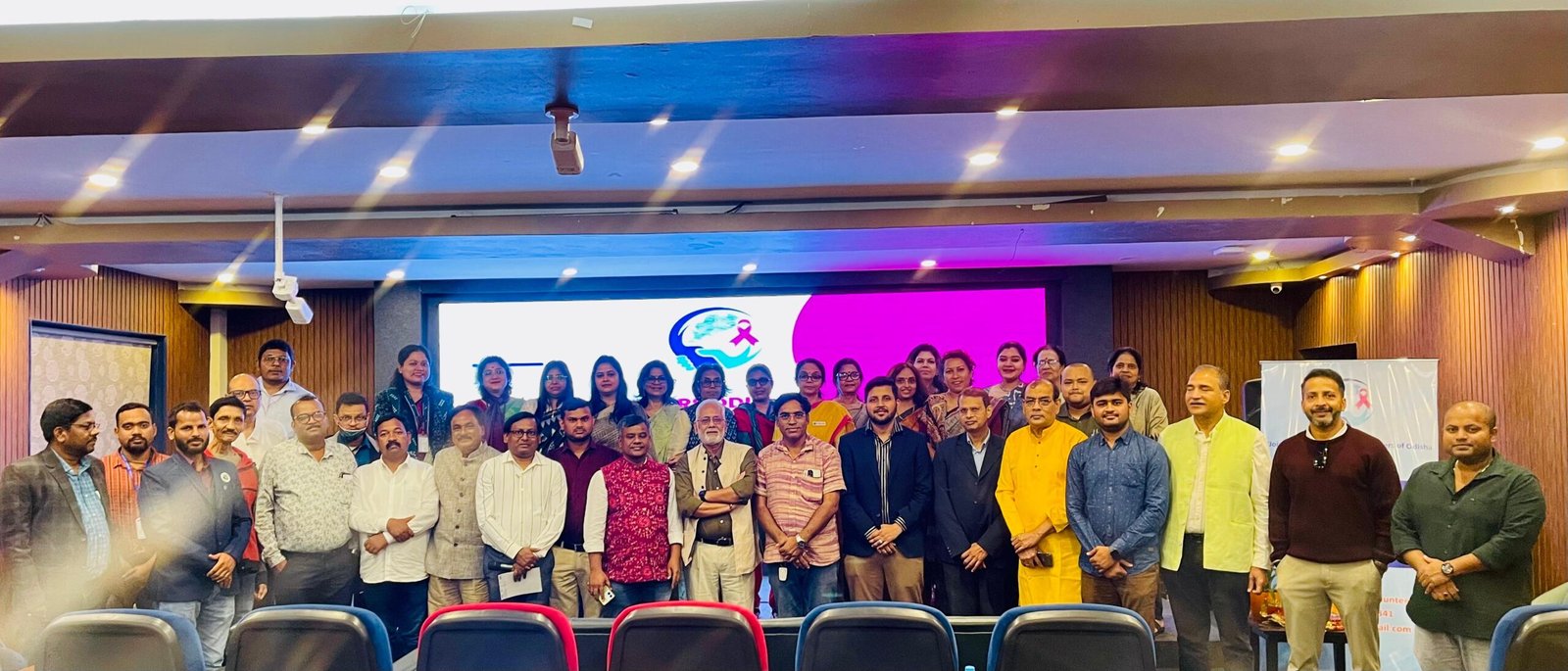
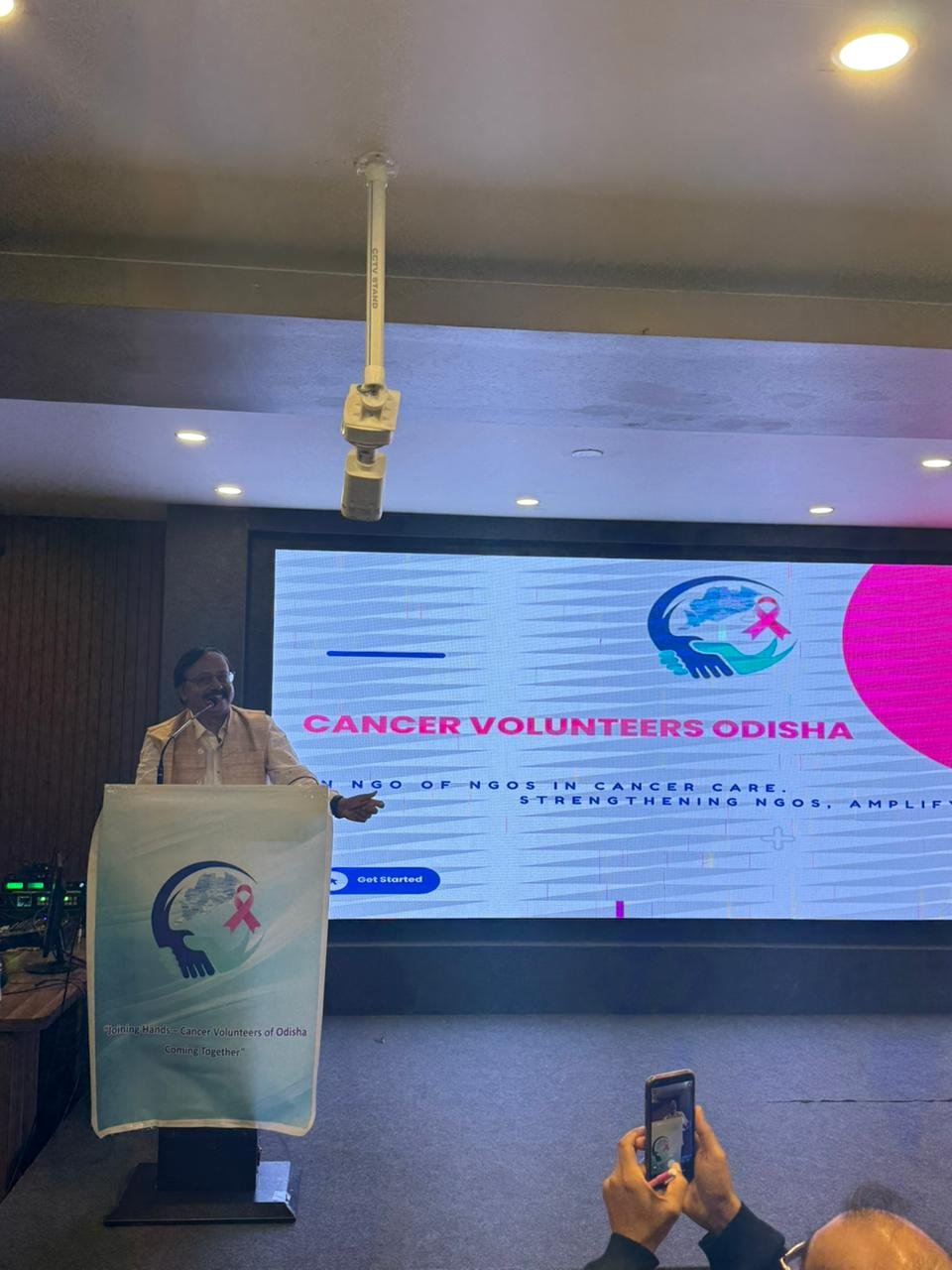
Bhubaneswar: In a state where numerous organizations are already engaged in cancer care, the question may arise—why is there a need for yet another platform like Cancer Volunteers of Odisha (CVO)? The answer emerged clearly and powerfully during the first-ever state-level conference of CVO, held on December 7, 2025, at the Regional College of Management (RCM), Bhubaneswar. The conference underlined that while Odisha has dedicated cancer hospitals, NGOs and volunteer groups, the absence of a unified, coordinated and ethical volunteer ecosystem has often resulted in fragmented support for patients and their families.
Registered as a trust in 2024, Cancer Volunteers of Odisha was conceived to act as a common umbrella platform, bringing together doctors, cancer patients, survivors, caregivers, palliative care providers, NGO volunteers, media professionals and policy thinkers under one coordinated framework. The core belief behind CVO is that cancer care must go far beyond diagnostics and treatment—it must address emotional trauma, social isolation, financial distress, dignity, communication and end-of-life care.
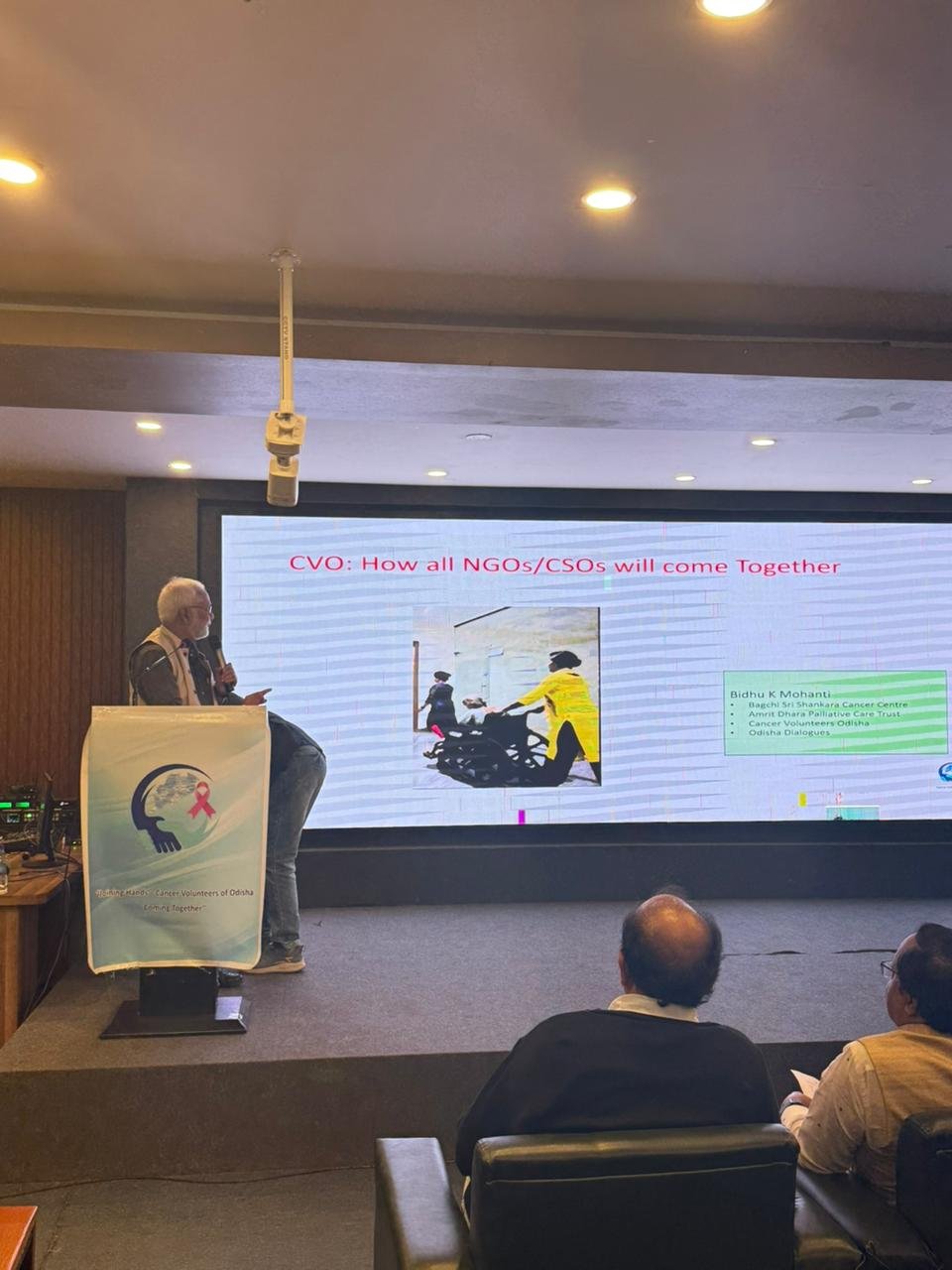
Speaking on the relevance of such an umbrella platform, several speakers emphasized that isolated efforts, though well-intentioned, often fail to reach patients at the right time. When organizations work in silos, patients are left confused about whom to approach for counseling, treatment navigation, welfare schemes or palliative support. CVO aims to bridge this gap by creating a single-point volunteer network that can guide patients seamlessly from diagnosis to survivorship or palliative care.
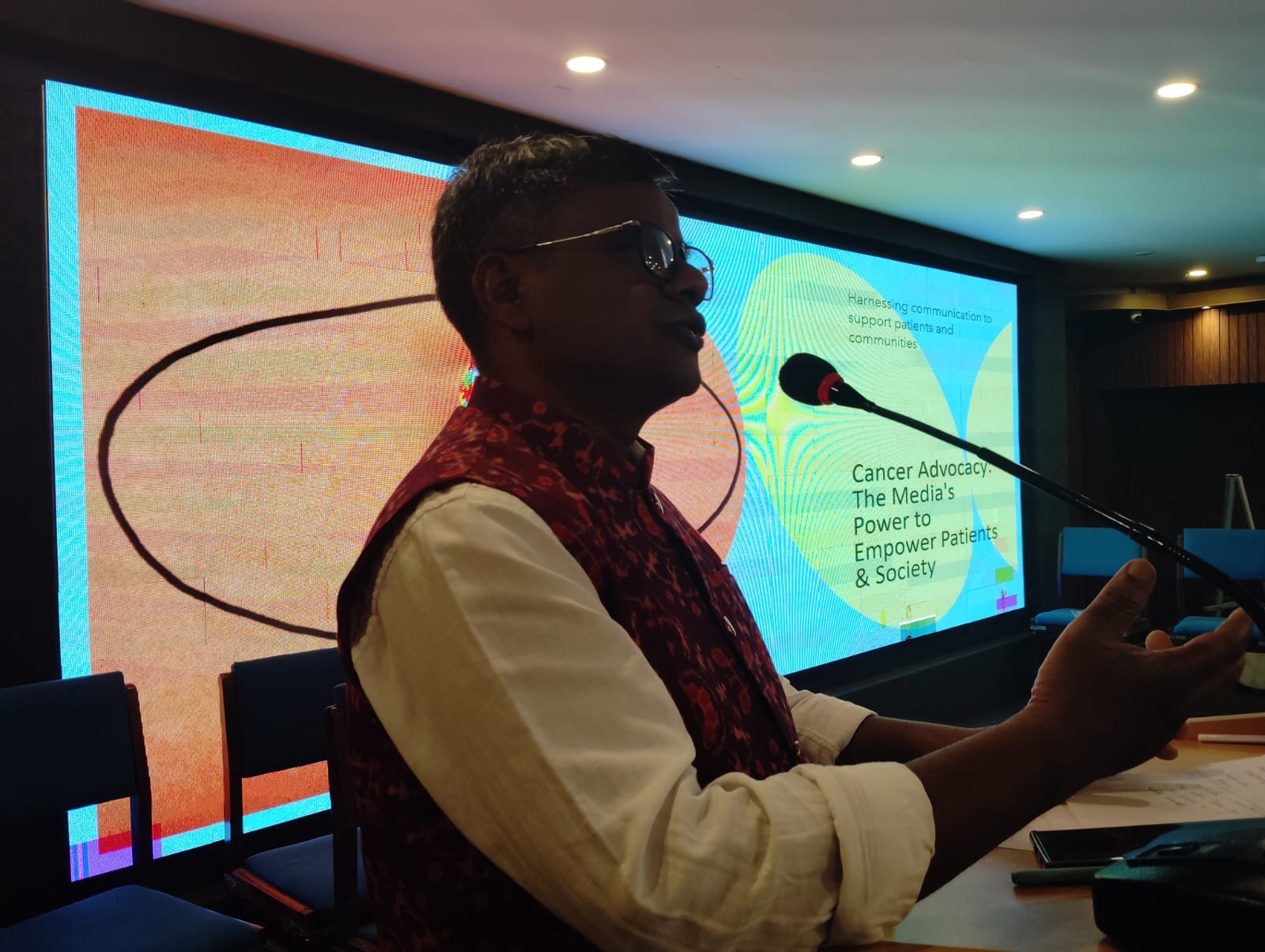
A deeply moving and thought-provoking discussion during the conference focused on the language society uses while referring to cancer. Senior journalist Ashok Pradhan highlighted how casually using cancer as a metaphor—such as calling corruption or social evils a “cancer”—can unintentionally dehumanize and traumatize patients. He stressed the need for responsible communication and cancer advocacy that respects lived experiences.
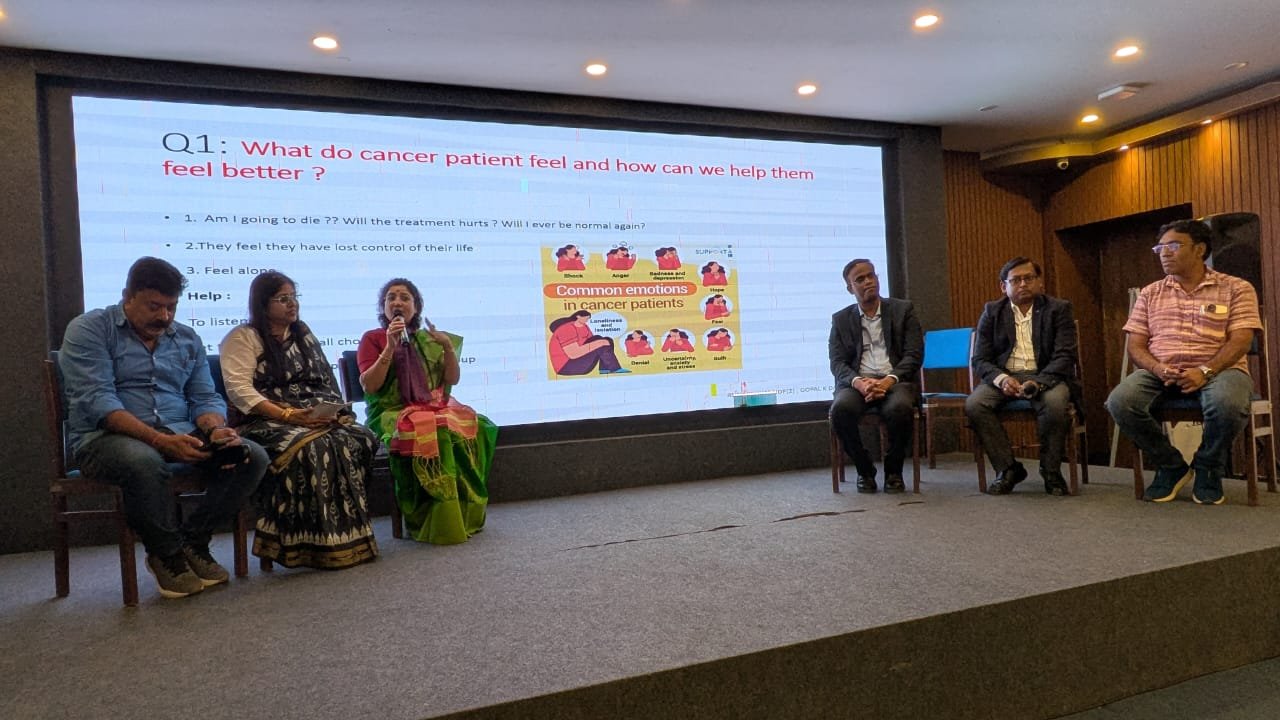
Another poignant voice came from Guest of Honor Ashok Das, who observed that in many situations, cancer patients and their families see volunteers not merely as helpers, but “almost like God,” especially when they are emotionally broken, financially exhausted and socially isolated. His words reinforced the necessity of trained, ethical and compassionate volunteers who understand the gravity of the responsibility entrusted to them.
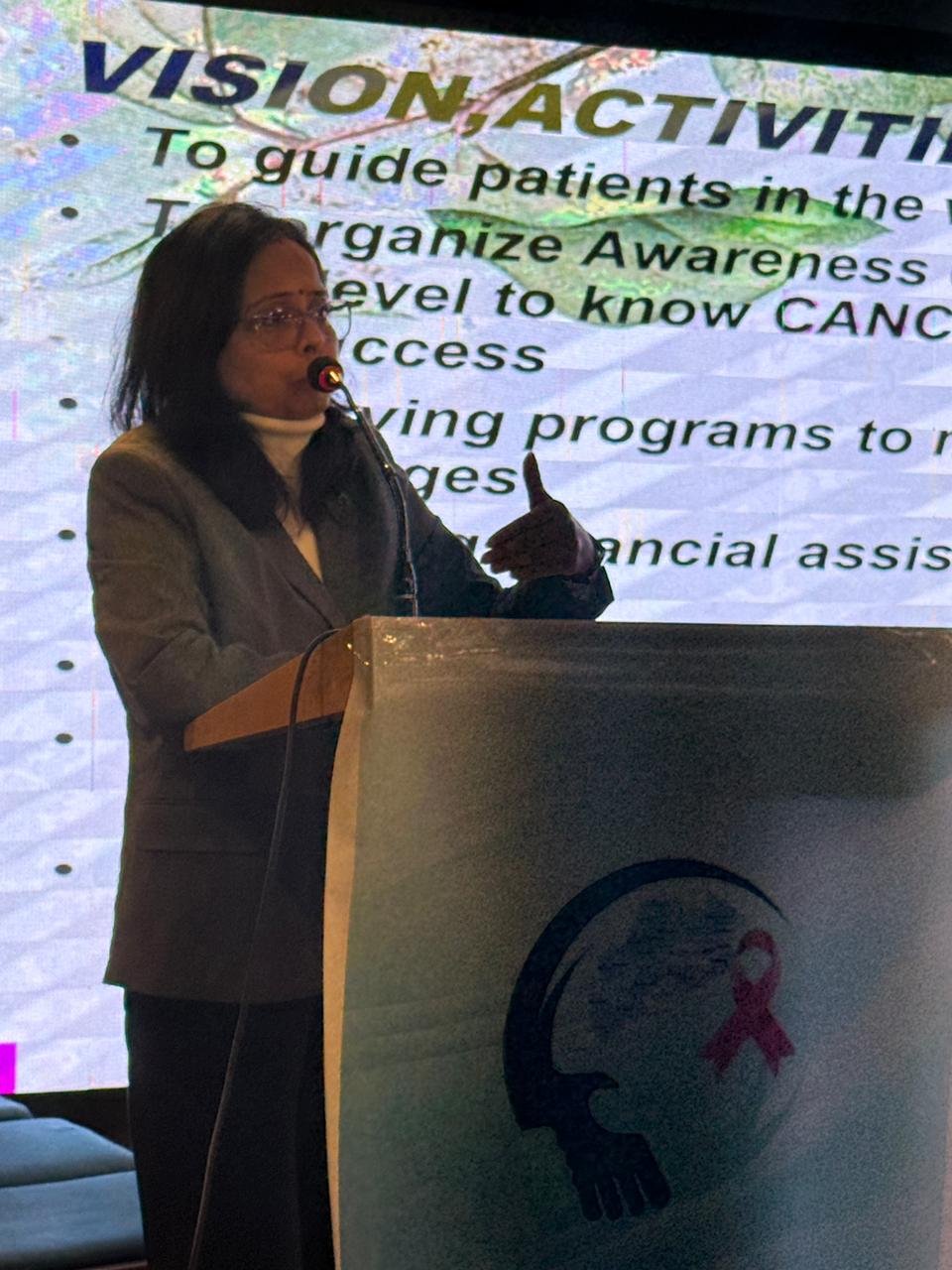
The conference, held under the theme “Role of Volunteers in Cancer Care,” saw participation from cancer specialists, doctors, nurses, onco-psychologists, palliative caregivers, social workers, NGO and CSO representatives, media professionals, cancer patients and family caregivers from across Odisha. The presence of such diverse stakeholders itself reflected the inclusive vision of CVO.
A key question deliberated throughout the day was: What difference will patients and families experience if all cancer-related volunteer efforts operate under one umbrella? Speakers explained that such integration would ensure quicker referrals, verified information, emotional counseling, financial guidance, peer support from survivors, home-based palliative care coordination and dignity-focused end-of-life support. In rural and underserved districts, where access to cancer hospitals is limited, trained volunteers can act as the vital link between homes and healthcare institutions.
Equally important was the discussion on capacity building and ethics in volunteerism. Experts stressed that goodwill alone is not enough. Volunteers must be trained in communication, confidentiality, patient rights and psychosocial sensitivity. CVO seeks to standardize these practices by promoting shared training programmes and mutual accountability among its member organizations.
Representatives from twelve NGOs and CSOs across Odisha shared grassroots experiences, highlighting challenges such as late diagnosis, stigma, loss of livelihood and caregiver burnout. These real-life narratives reinforced the urgency of a platform like CVO that listens, coordinates and responds collectively instead of individually.
Cancer Volunteers of Odisha has been founded by professionals and grassroots workers from diverse fields including oncology, palliative care, social work, IT and media. The founding members include Prof. Dr. Bidhu K. Mohanti, Sukanta Nanda, Nitai G. Panigrahi, Namrata Rath, Aswini Kumar Darjee, Gopal Krushna Das, Lili Jenamani and Raj Gopal Das. Together, they envision a statewide network that works in close collaboration with health systems, media and government institutions.
The scientific and interactive sessions of the conference were carefully coordinated by Sunanda Samal, Jubilee Dash, Dr. Mami Parija, Dr. Nirmalya D. Pradhan, Dr. Rabi S. Das, Dr. Sachidananda Mohanty, Dr. Saswati Mishra, Dr. Ashok Dandapat, Dr. Manas Senapati, Dr. Jagannath, Dr.Soumitra Barik, Prafulla Swain, Bikash Pradhan, Anita Behera, onco-psychologist Rajnandini Ghosh, Sanatani Sahu, Minati Pati and Prativa Barik. Activity leadership was provided by Amaravati and Subhas Samal while the programme was warmly and motivatingly moderated by Runakshi Bhagawati, keeping participants emotionally engaged throughout the day.
The conference concluded on a hopeful and historic note. The formation of Cancer Volunteers of Odisha is not meant to replace existing organizations, but to strengthen them through unity, coordination and shared purpose. By bringing doctors, survivors, caregivers, volunteers and NGOs under one umbrella, CVO promises a future where cancer patients and their families in Odisha are not left to navigate fear and uncertainty alone.
The successful conclusion of the first state-level conference marked the beginning of a people-centric, compassionate and inclusive cancer care movement—one that recognizes that healing is not only medical, but profoundly human.