


By Sarada Lahangir
While memories of the 2013 protest by the indigenous Dongria Kondh tribe against Vedanta’s mining project in the Niyamgiri hills—spanning Rayagada and Kalahandi districts of Odisha—are not yet faded, another wave of resentment has emerged. At that time, tribal people were protesting to protect their sacred deity, Niyam Raja; now, they are mobilizing to protect Tij Raja. This time, the tribals are protesting against the same mining giant, Vedanta, to safeguard their sacred Tijmaali or Sijimali hill.
Political Parties Step In Amid Tensions
A delegation from the Biju Janata Dal (BJD), headed by former minister and senior MLA Ranendra Pratap Swain, visited Kantamala village in Rayagada district on Thursday, days after a violent confrontation between tribals and police over the construction of a road to a proposed mining site. The team arrived in the morning, met local residents, and took stock of allegations of police excesses. It also extended support to the villagers’ agitation, describing the situation as an instance of corporate-driven intervention in the region, which undermines the rights and livelihoods of the local tribal communities. Meanwhile, a Congress delegation is scheduled to visit the area on Friday, where its members are expected to meet the affected tribal communities and assess the ground situation.
Violent Clash Erupts Over Proposed Mining Road
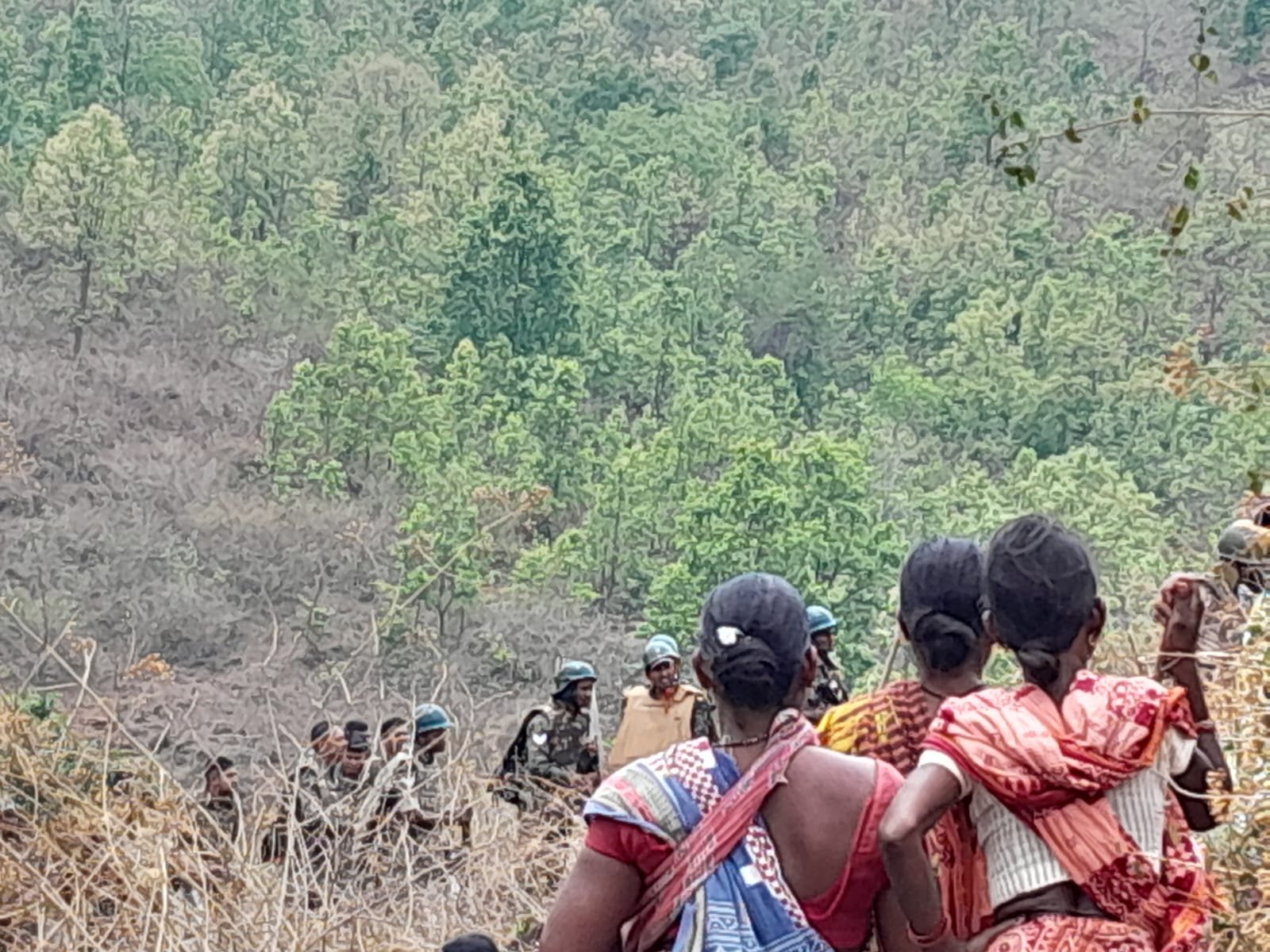
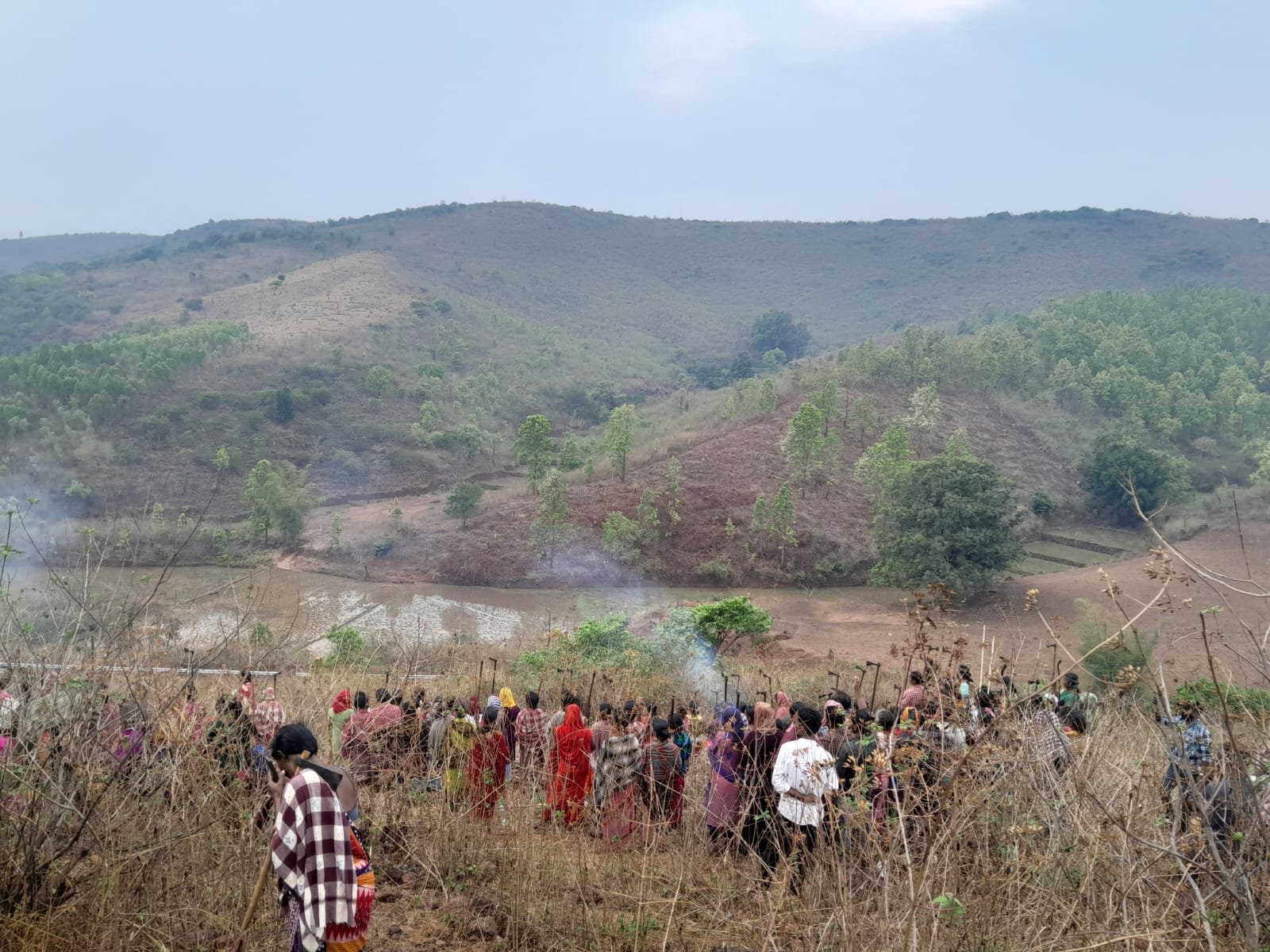
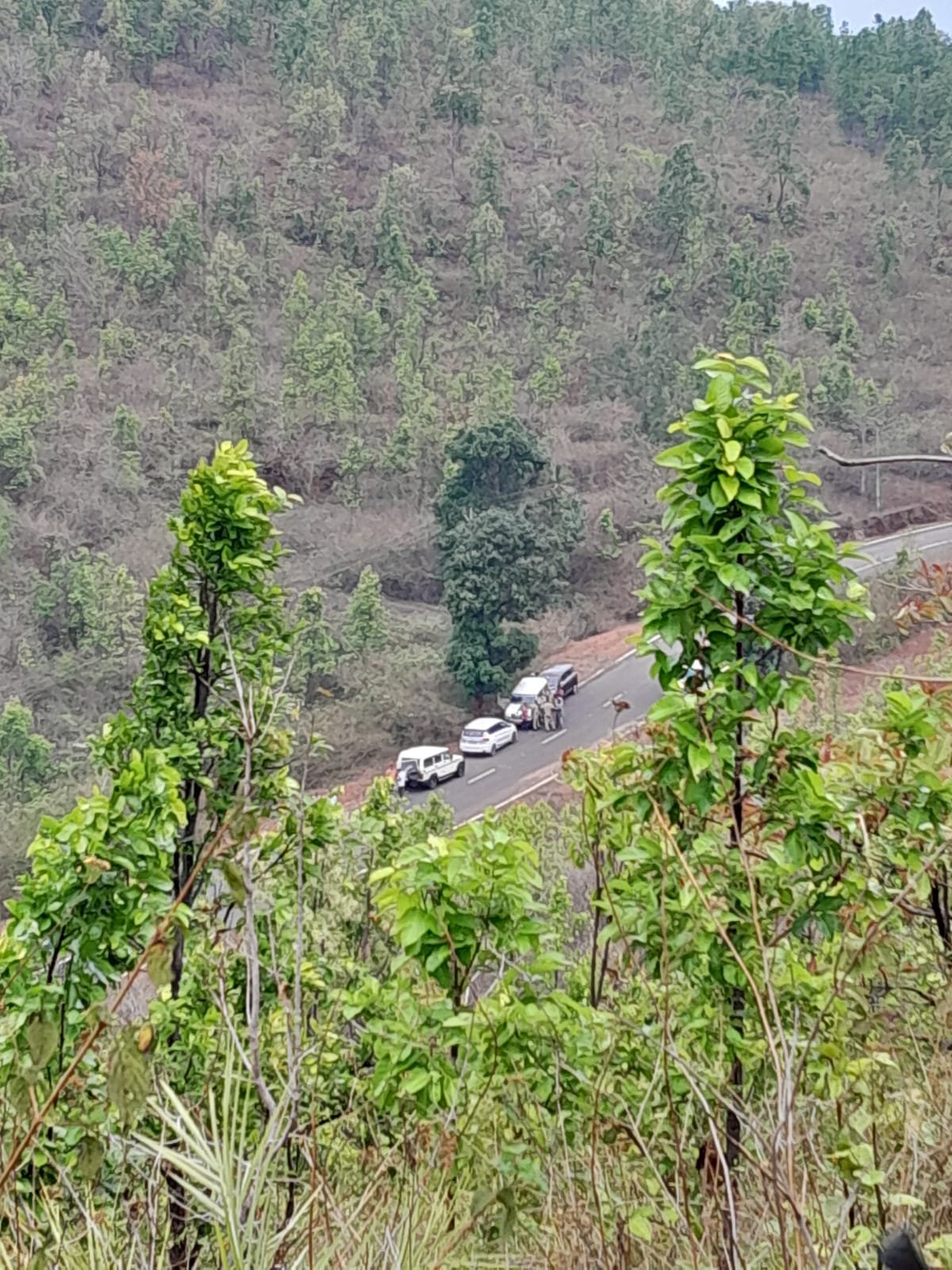
The tension escalated and turned into violent clashes, injuring about 70 people, including both tribals and police personnel. This unrest centres on a proposed road connecting Purlong to Sagabari Ghat, which locals widely perceive as a sign of the commencement of mining operations in the region. The incident took place in Kantamala village under the Kashipur block of Rayagada district.
Conflicting Claims Over Violence
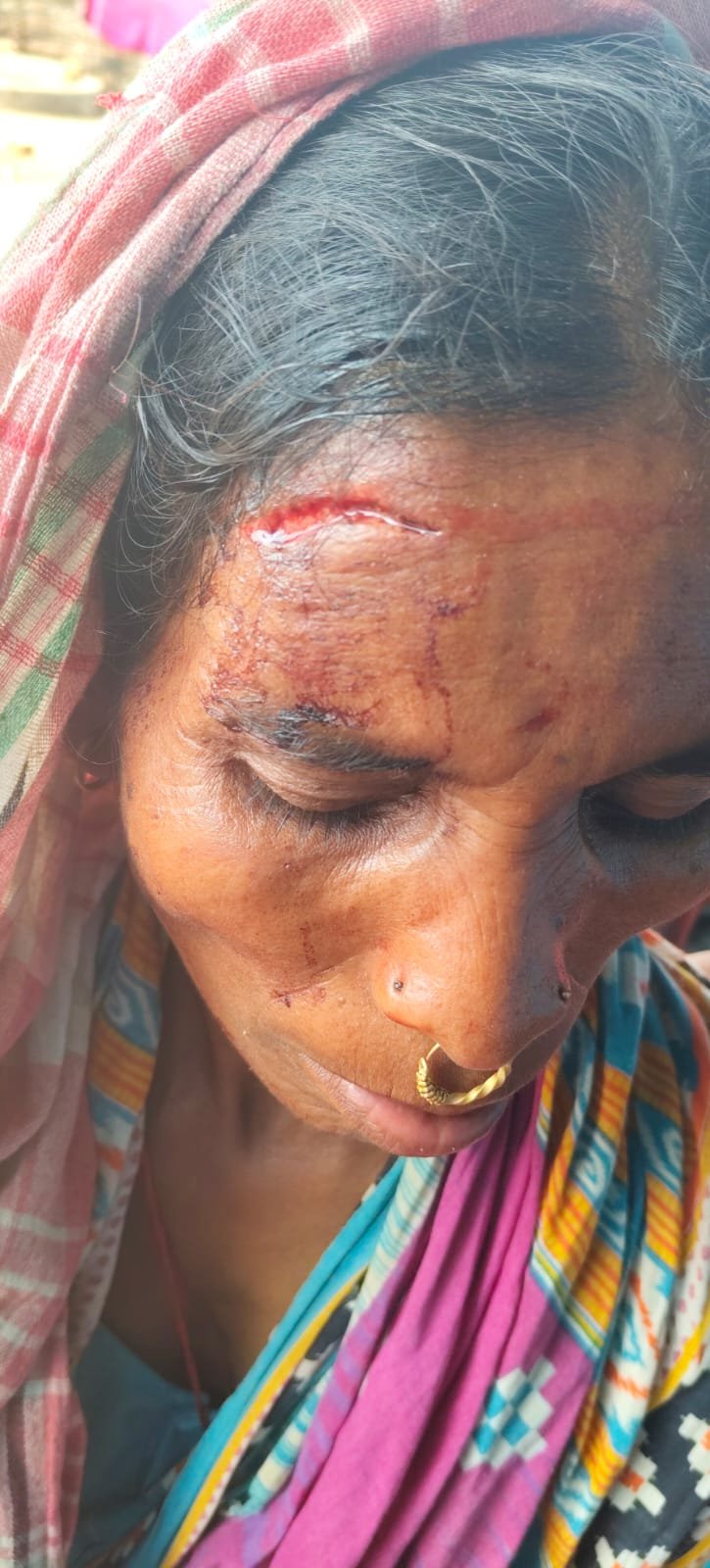
Villagers and the police made allegations and counter-allegations. While the villagers alleged that the police opened fire, fired tear gas shells, and carried out a lathi-charge, the police denied these claims, stating that the villagers gheraoed the police and attacked them. The police claimed that approximately 40 of their personnel sustained injuries in the clash.
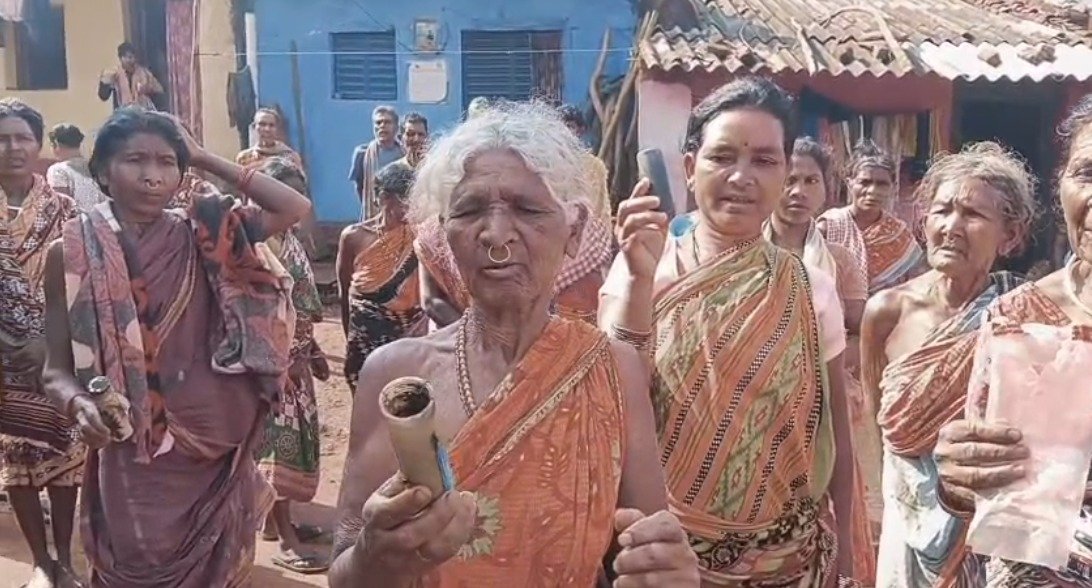
The injured Naring Dei Majhi, 64, of Kantamal village explained, “Police suddenly entered our village at midnight and locked the door; we thought that it was dacoits. But later, when some of us came out from the back doors, we found the police force.”
Another villager, Kartik Naik, added, “The police force in the village has come to arrest us as we were opposing the road construction. When the police saw us gathered in groups, they became violent, fired tear gas, and conducted a lathi charge.
On the other hand, Rayagada SP Swathy S. Kumar denied the allegation by saying, “Our police team had gone to the village on April 7, 2026, at 5 a.m. to arrest Sudarshan Majhi after a non-bailable arrest warrant was issued against him in connection with 14 criminal cases, including an attempt to murder.”” Majhi is also among those opposing the road project. Majhi is one of the individuals who opposed the road project. When we reached there, the group of tribals, about 250, from Kantamal and neighboring villages gheraoed our police team and attacked with lathis and sharp weapons.”
Background of the Protest
Vedanta Group bagged the Sijimali bauxite reserve through auction in 2023. The reserve, estimated at over 300 million tonnes, spans 1,549 hectares across 18 villages and lies within or close to more than 20 reserve forests and nine water bodies in Rayagada and Kalahandi districts. The region falls under a Fifth Schedule area, with predominantly tribal populations, including the Kondh and Paraja communities, along with Dom Scheduled Caste habitation, which provides constitutional protections for tribal populations.
The mining lease for the area was granted in 2023, but the project has faced sustained opposition from local tribal communities.
Residents fear displacement, loss of forest rights, and damage to their traditional livelihoods.
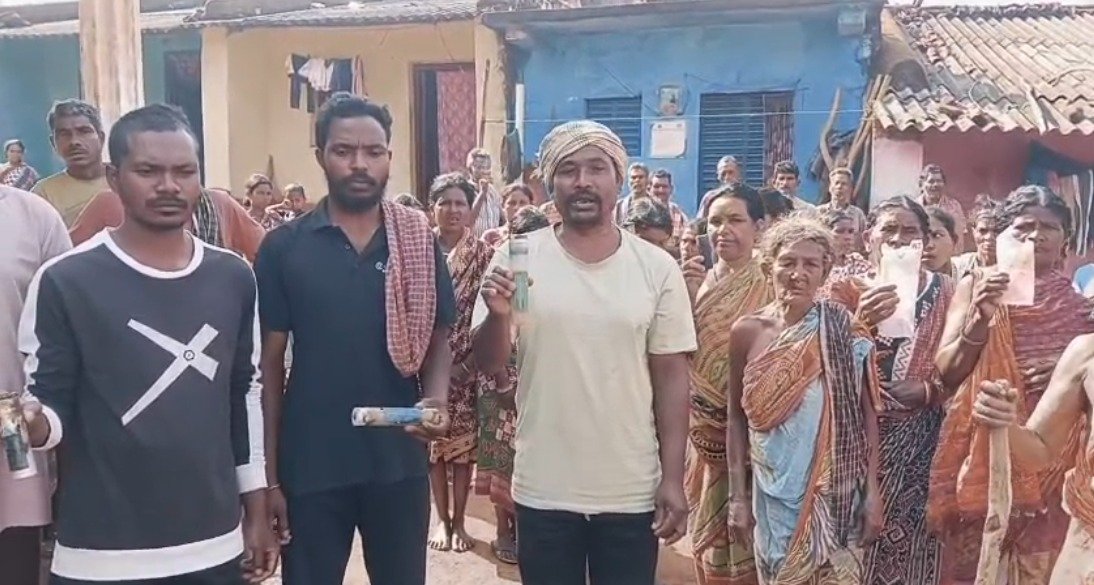
Gobind Banteji, 35, from the Kantamal village, told us, “People may think that we are opposing the construction of a road, but no one knows that this road is a clear indication that Vedant will soon start mining in our sacred Sijimali hill, where we entirely depend for our livelihood. If they mine here, the streams will get dried up, forest cover will be destroyed, and the entire ecosystem of this area will be affected. Mining in the Sijimali Hills means displacing us from here, which is our forest, our land, and the place of our ancestors. We will not let Vedant destroy our ecosystem.”
“Not only our villagers but the neighboring villagers are also protesting against it.” He added.
Subas Singh Majhi, president of the Sijimali Maa Mati Surakshya Mancha, fighting for the tribal rights in the region, said, “We have been protesting for so long; we have objections against mining in testimonies in the public hearings of the Odisha Pollution Control Board.” In the same way, as per the FRA provisions, our villagers organized Gram Sabhas in which we have clearly and unanimously rejected the mining project and the required forest clearance to protect their lives, livelihood, and cultural identity. So how did they get environmental clearance? However, in this scheduled area, the state administration has resorted to repression to push through Vedanta Limited’s mining project.”
“We have also appealed to all authorities from the local administration to the state government and from the concerned union ministers to the President of India about this issue,” he added.
Sequence of Events
The tribe of the area said that the tension had been mounting for weeks before the most recent clash. According to the villagers:
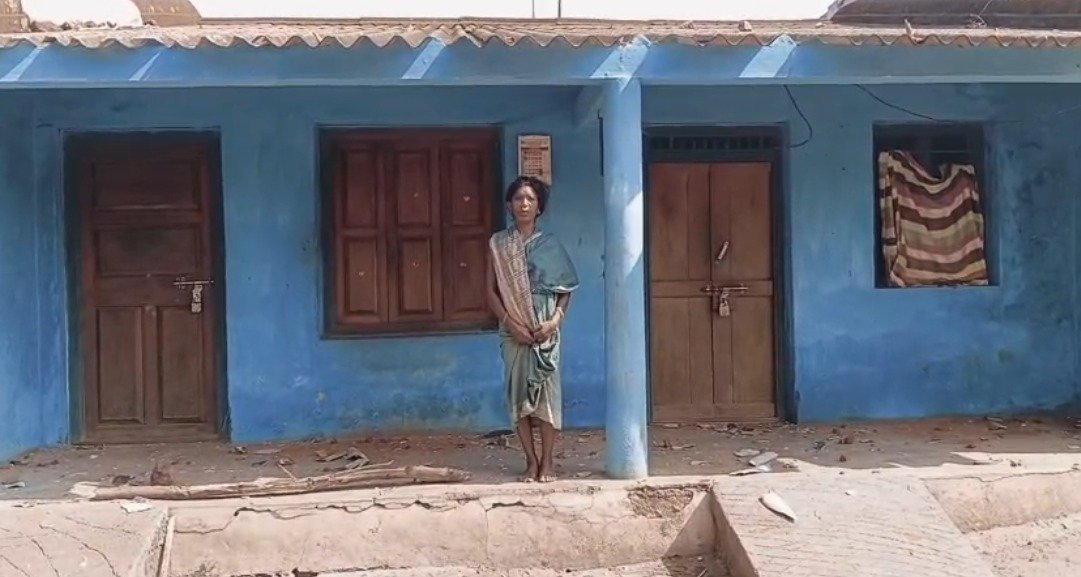
On March 10, many police officers reportedly went into the village of Talaampadar after a local fight and did work late into the night. Twenty-one Adivasi residents, ten of whom were women, were arrested during the raid.
On March 25, activists Lingaraj Azad and Suresh Sangram of the Samajwadi Jan Parishad were also arrested. They are still in jail in Rayagada.
March 31, Rayagada—Administration officials visit Kantamal village and advise locals to engage with the administration and seek resolution through dialogue. But protesters reportedly did not accept the suggestion.
April 3: Administration imposes prohibitory orders under BNSS Section 163 in the Sijimali area, saying that no more than four people could gather within 100 meters of the road that leads to the proposed mining site. Loudspeakers in nearby villages made announcements. Even so, the people kept protesting and stopped construction teams from getting in.
April 4: Clearance work was undertaken on the road from near Porlong village to the Sijimali mines. But protesters blocked access through an alternate route from Sagbari to the mines.
April 5: When the road construction work commenced near Porlong, the villagers from Sagabari, Bantej, Bondel, and Kantamal gathered to stop the work.
April 6: Senior government officials, along with approximately 10 platoons of police force, reached the Porlong Road site to commence work. Sagabari, Bantej, Bondel, Kantamal, and Talaampadar are witnessing a massive presence of armed police and vehicles, drones flying in the area, and police on the lookout for leaders. Drones are followed by 18 to 25 vehicles and marches of armed police through the area, along with private persons.
On April 7, the protest turned violent, and an incident took place.
Civil Society Reactions
Several activists and political organizations have criticized the handling of the situation, calling for an independent inquiry.
Environmental activist Prafulla Samantara questioned, “When there were no Maoists or terrorists there, why did the armed forces go while the people were sleeping at night?” He further stated, “The police unleashed a reign of terrorism for the Vedanta Company and are sending people to jail every day. By imposing Section 144 and the new Section 163, people are being prohibited from leaving their homes.” “The government must take immediate action against the guilty officer and should do a fair investigation.” He demanded.
Bhala Chandra Sarangi, secretary of the All India Kishan Mazdoor Sabha, said, “Regions rich in mineral resources are often inhabited by tribal communities who depend on forests for their livelihood. Establishing mines in these areas without their consent is not only unjust but also illegal. Such conflicts are inevitable when the government prioritises corporate interests over the rights of tribal communities, displacing them from their ancestral lands. Indiscriminate exploitation of mineral resources is already causing serious environmental degradation. Mining must be carried out responsibly; otherwise, these resources could be exhausted within a few years. But the larger question remains—how far is it justifiable to endanger the lives of marginalised tribal communities in the name of development? Development for whom?
Narendra Mohanty, state convener of the National Alliance of People’s Movements, said, “We all know that Sijimali Hill is rich in bauxite; handing it over to Vedanta will not only lose the natural resources, but we will also displace thousands of innocent tribals who are depending on these hills for their livelihood.” And most importantly, it will destroy the entire ecosystem of the region. So we demanded that Sijimali not be handed over to the Vedant. The road construction to the mining site must be stopped immediately, and arrested protestors, including activist Lingraj Azad, who are in jail, should be released.”
Meanwhile, in a joint media release, four left parties, CPI, CPI(M), CPI(ML), Liberation, and All India Forward Bloc, on Tuesday evening condemned the alleged police repression, calling it an attack on the democratic and constitutional rights of tribal communities.
Government Response
Now the situation remained tense in the area. District authorities have appealed for calm and urged villagers to resolve the issue through dialogue. Rayagada senior officials refused to give any comment.
(Sarada Lahangir is a Bhubaneswar-based Ramnath Goenka awardee, an independent journalist.)