


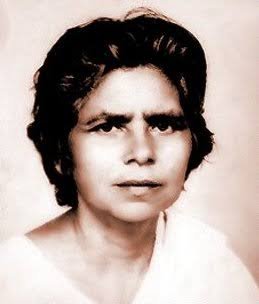
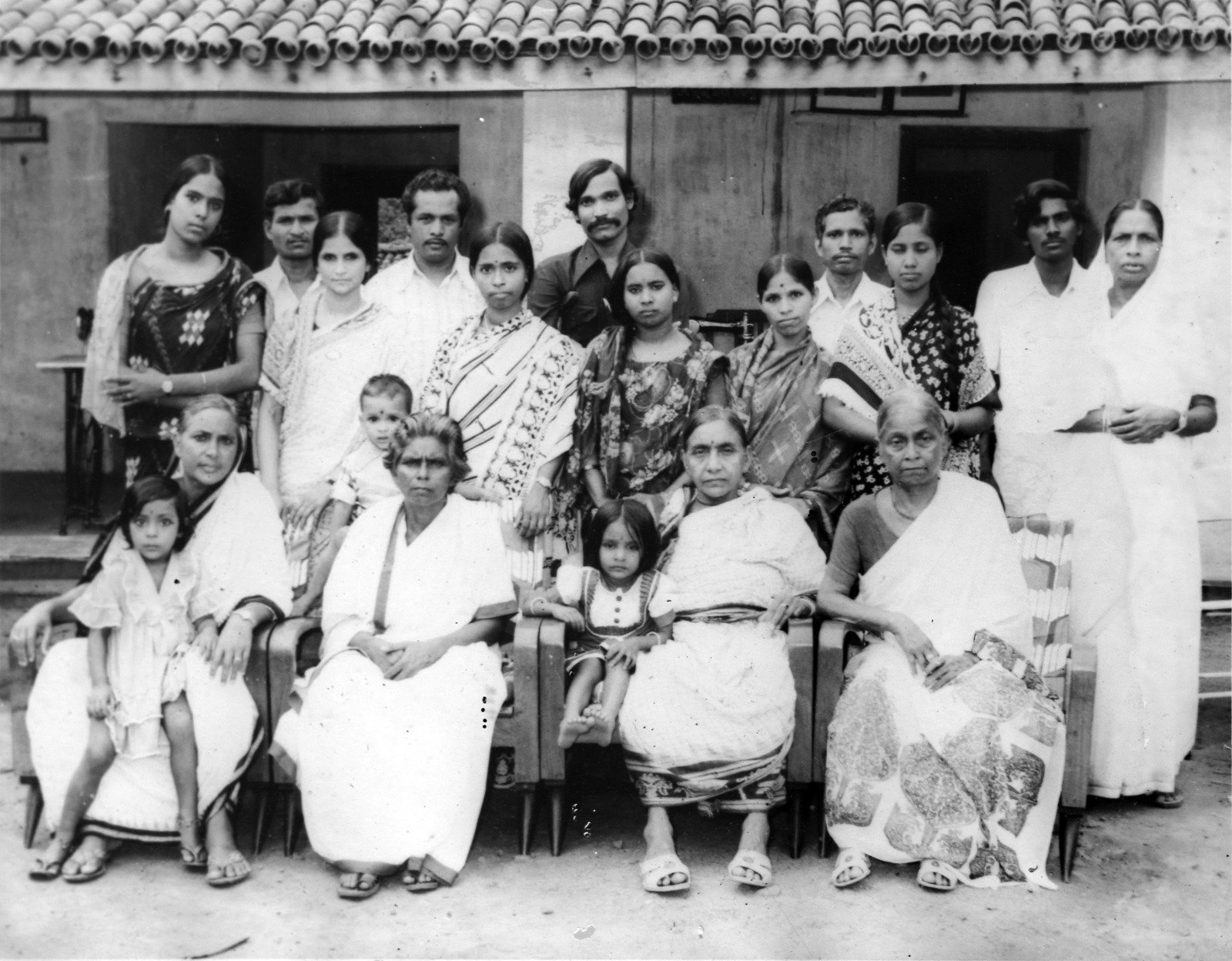
Paikmal/Bhubaneswar (Odisha): As India observes the birth centenary of Parbati Giri, fondly known as Bahrnikanya, it is time to pause and remember a woman whose life was a rare blend of fearless resistance and boundless compassion. Born on January 19, 1926, in the small village of Samaleipadar in Odisha’s Bargarh district, Parbati Giri grew up far away from the centres of power and privilege, yet her spirit was destined to leave an indelible mark on the nation’s conscience. With formal education limited to just a few years of primary schooling, she learned her real lessons from hardship, sacrifice and the ideals of Mahatma Gandhi, which shaped her into one of Odisha’s most remarkable yet often forgotten freedom fighters and social reformers.
Parbati Giri was barely a child when the call of the freedom movement reached her village. While most girls of her age were confined to household chores, she began accompanying her maternal uncle from village to village, spreading the message of the Indian National Congress and awakening people to the idea of Swaraj. At an age when childhood should have been carefree, she chose uncertainty and struggle, leaving home to stay at Bari Ashram in Cuttack, where she absorbed Gandhian values of non-violence, self-discipline, self-reliance and service to humanity. These principles did not remain mere ideas for her; they became the foundation of her entire life.
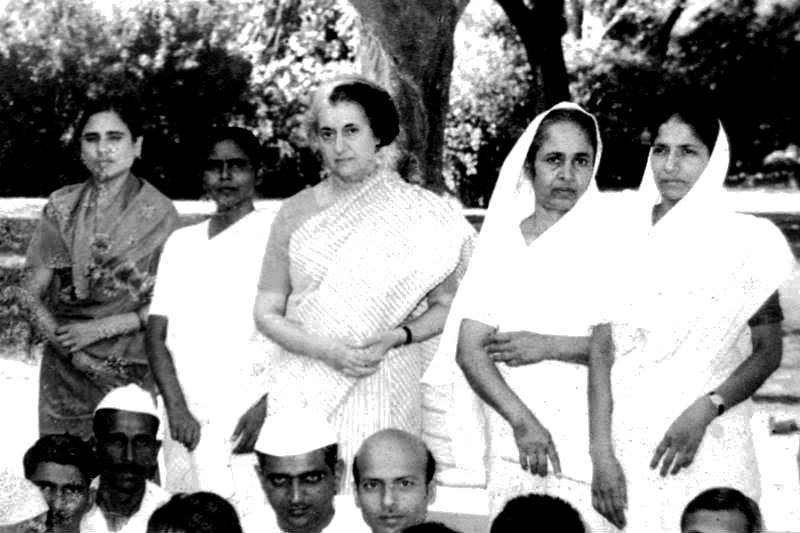
During the Quit India Movement of 1942, Parbati Giri emerged as a fearless young volunteer, travelling across Sambalpur, Bargarh, Padampur, Bijepur and surrounding regions, urging people to boycott foreign goods, spin khadi and resist colonial authority. Her courage drew the attention of British officials, leading to repeated arrests. Despite her young age, she faced imprisonment in Sambalpur jail for nearly two years, an extraordinary punishment for a teenage girl under colonial rule. Far from breaking her spirit, jail strengthened her resolve and deepened her commitment to the nation.
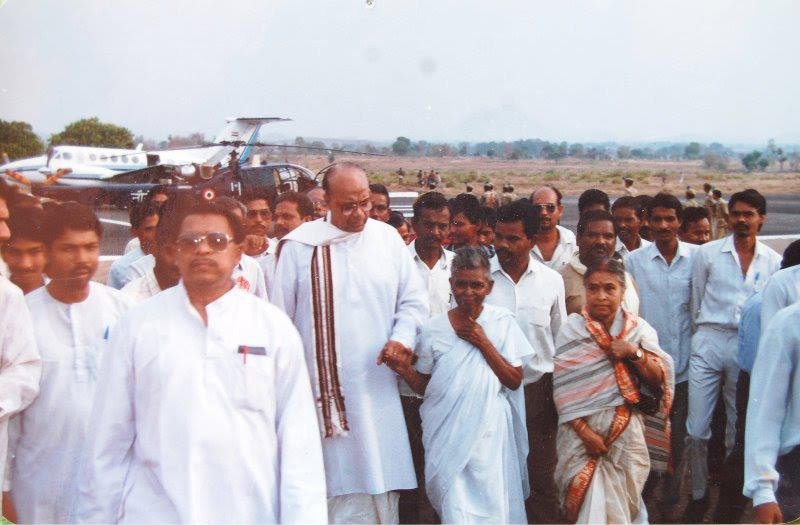
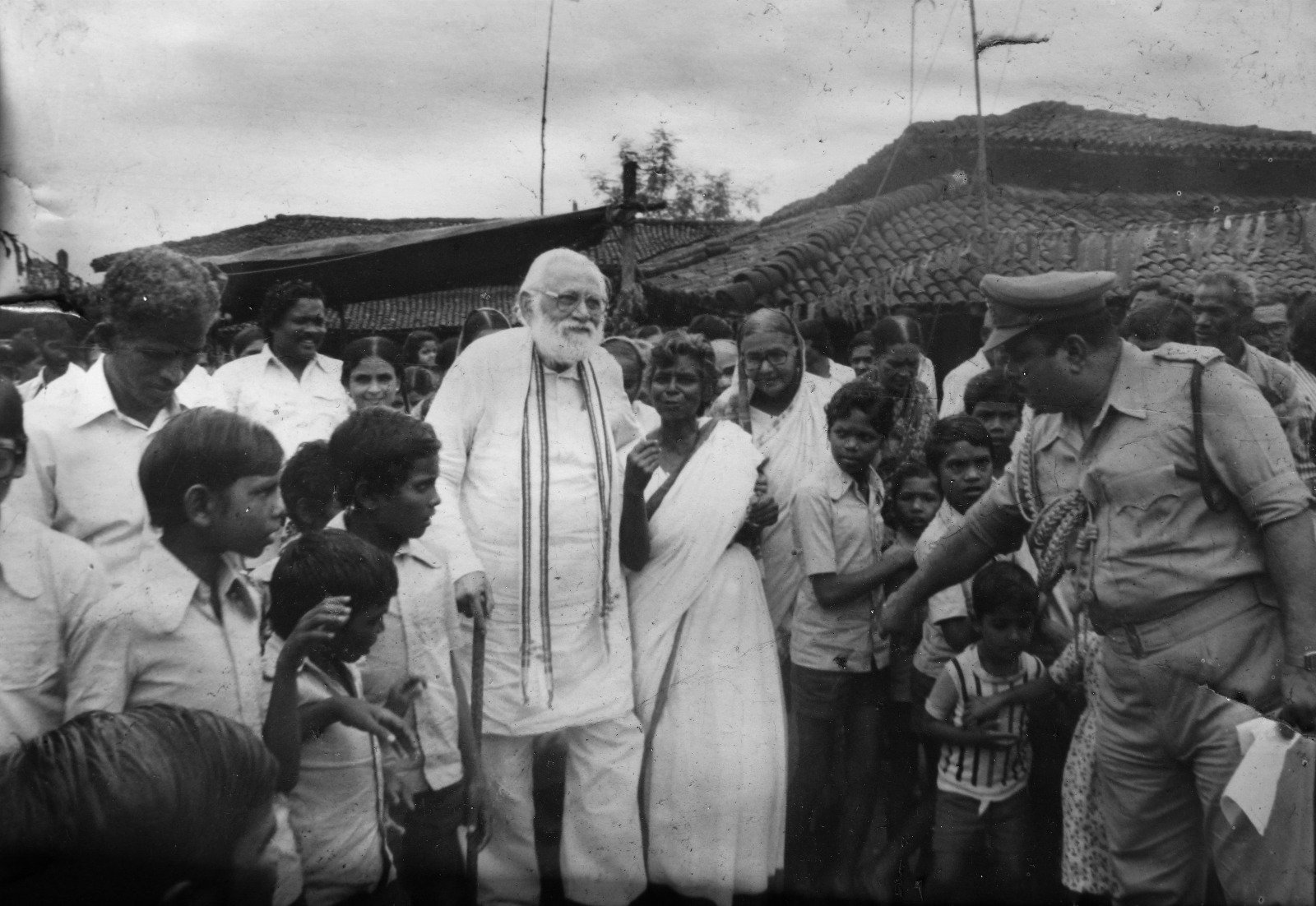
Freedom, when it finally arrived in 1947, did not signal rest or reward for Parbati Giri. She believed independence would be hollow unless it reached the poorest and most vulnerable. Choosing a path far removed from power or politics, she devoted herself entirely to social service. Orphans, destitute women, leprosy patients, the elderly and abandoned children found in her not just a caretaker but a source of dignity and hope. In 1975, she began an orphanage at Paikmal with around fifty children, laying the foundation for a lifetime of institution-building driven purely by compassion. She established On October 10, 1975, she began an orphanage at Paikmal near Nrusinghanath with around 50 orphaned children. Over the years, she established several institutions for the welfare of society- Kasturba Gandhi Matru Niketan at Paikmal in 1975, Dr Isaac Santa Bal Niketan at Hatibari in 1979, Parbati Giri Old Age Home at her native village Samaleipadar, and Parbati Giri Orphanage and Old Age Home at Patharchepa in Balangir district. In recognition of her extraordinary service, she was honoured with the title “Bahrnikanya.” across western Odisha, quietly transforming countless lives without seeking recognition.
Her tireless work among the poor, especially in tribal and backward areas, earned her the affectionate title Bahrnikanya, a woman of fire whose strength lay not in anger but in selfless love. Many came to call her the Mother Teresa of Odisha, though she herself remained indifferent to titles. What mattered to her was service, lived simply and honestly, even when resources were scarce and support uncertain.
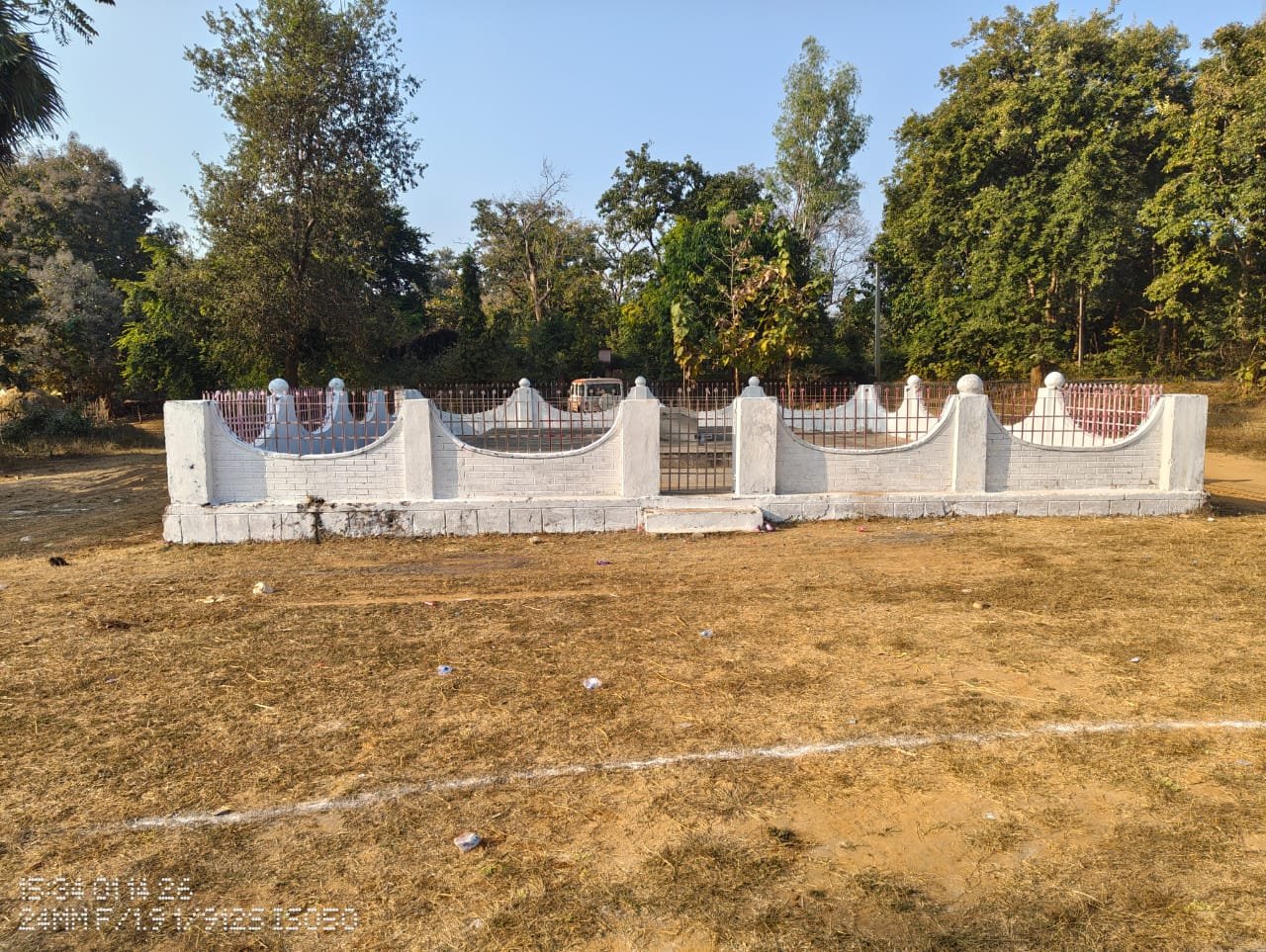
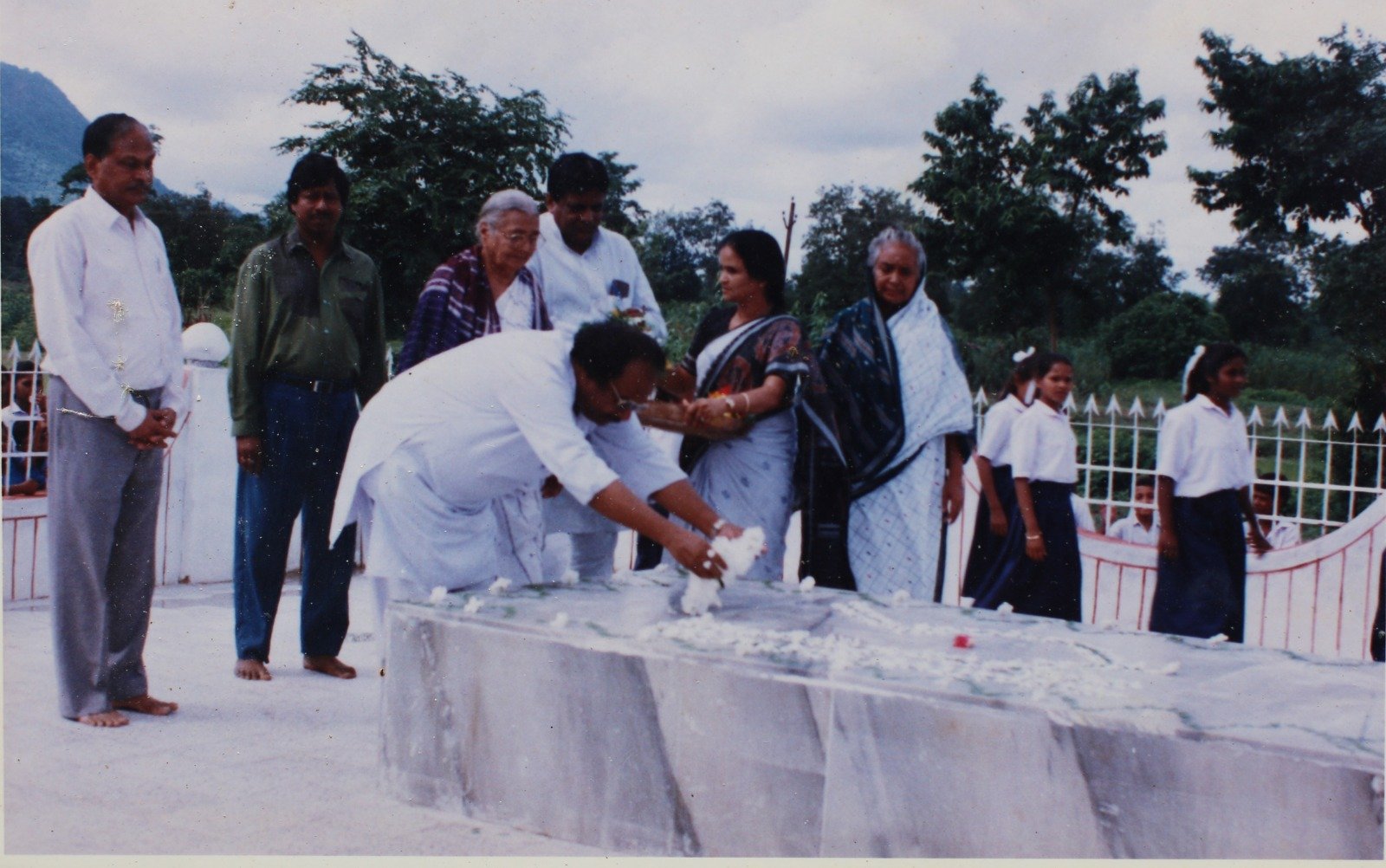
Parbati Giri passed away on August 17, 1995, after a prolonged illness, leaving behind a legacy built not of monuments but of human lives restored with care and dignity. Yet, as her birth centenary is observed, a painful irony remains. Samaleipadar, the village that gave birth to this extraordinary woman, still lacks a memorial worthy of her name. Her ancestral home stands in a dilapidated state, and visitors find little to indicate that one of Odisha’s bravest daughters once walked these paths. Even her samadhi at Paikmal, located on a road frequented by pilgrims and tourists, lies neglected, unmarked and largely unknown.
The question being asked today is not merely about remembrance, but about responsibility. Celebrating Parbati Giri’s centenary should not be limited to speeches and symbolic tributes; it must translate into preserving her legacy for future generations. This sentiment found national resonance when Prime Minister Narendra Modi, in his December 2025 Mann Ki Baat address, paid homage to Parbati Giri as one of the unsung heroes of India’s freedom struggle. He reminded the nation that many who sacrificed everything for freedom never received their due place in history, and cited her life as an inspiration that continues to guide generations.
Parbati Giri’s story is not just about the past; it is a mirror held up to the present. It asks whether we value sacrifice beyond anniversaries and whether we honour service not only in words but through action. Her life proves that one does not need power, wealth or fame to change society, only courage, conviction and compassion. As the centenary flame is lit, the true tribute to Parbati Giri will lie in ensuring that her story is remembered, her spaces preserved and her values carried forward, so that the fire she lit a century ago continues to burn in the hearts of generations yet to come.
Report by Aswini Kumar Darjee
Input & Photos: Bijay Kumar Sahu