


Report : Aswini Kumar Darjee
Bhubaneswar: “Dying with dignity is as important as living with dignity,” says Amatya Pradhan, his voice heavy with emotion, as he recalls the most painful chapter of his life- the final journey of his younger brother Arun, a 47-year-old colon cancer patient. For his family, Arun’s diagnosis was not merely a medical setback; it was an emotional earthquake that shattered their sense of normalcy and hope. In those moments of helplessness, pain and unanswered questions, one truth became painfully clear: when medicine can no longer cure, care must still continue- with humanity, sensitivity and dignity. This lived experience now echoes a larger, urgent call for Odisha to recognise Palliative and Hospice care not as optional services, but as an essential pillar of public healthcare.
My younger brother Arun was a colon cancer patient. No family is ever prepared to accept a diagnosis of an incurable disease, and ours was no exception. For us, it was not just a medical crisis- it was an emotional storm that shook the foundation of our family. We did everything within our capacity. We pursued treatment, clung to hope, and fought alongside him as long as the battle allowed. But when the moment arrives where a human being begins to lose the fight for life, it becomes the most painful phase not only for the patient, but for the entire family. One breaks down mentally. The fear of loss, helplessness, and unanswered questions weigh heavily on the heart.

Just as living with dignity is a fundamental human right, dying with dignity is also a right. For patients suffering from incurable illnesses, especially cancer, the final phase of life is often marked by intense physical pain and deep psychological distress. Families, already exhausted physically, emotionally and financially, often struggle to provide the kind of care that this phase truly demands. As a result, many patients are unintentionally deprived of proper end-of-life care when they need it the most.
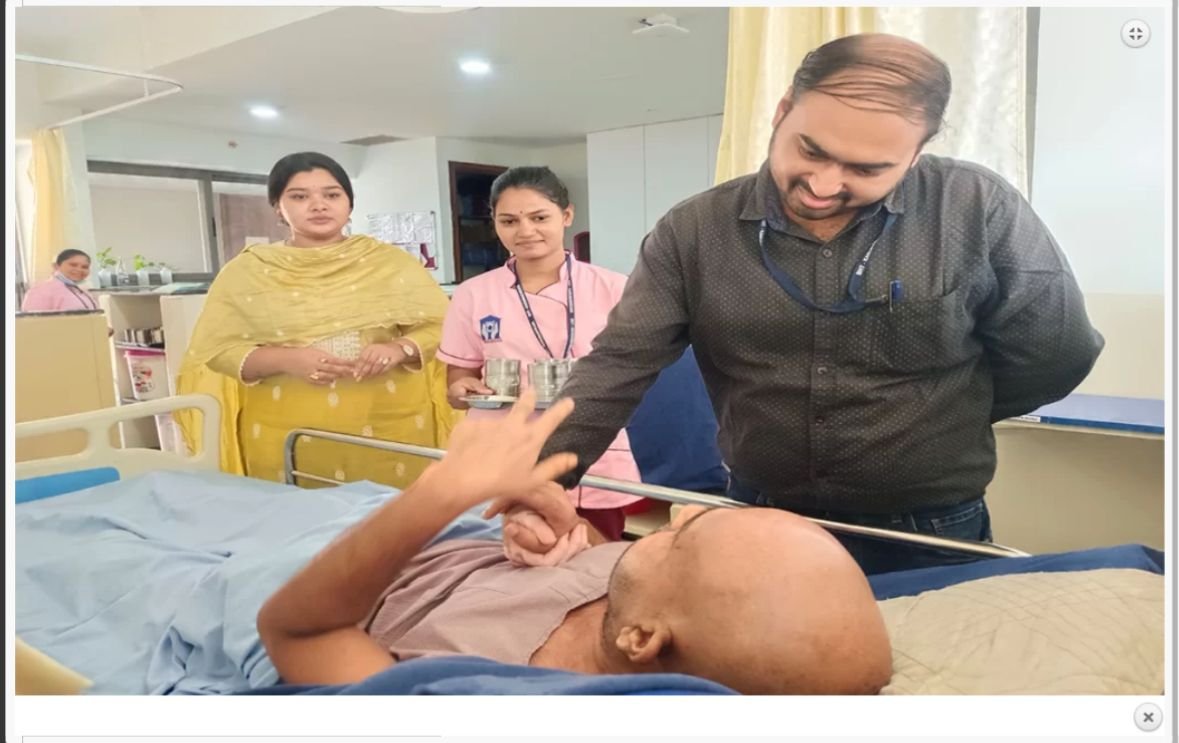
I still remember the moment when doctors at AIIMS Bhubaneswar gently but firmly told us that saving his life was no longer possible. Even today, recalling that moment brings tears to my eyes. It felt as though the ground beneath us had disappeared. In January 2025, following the advice of an experienced and compassionate person, we made one of the hardest yet most correct decisions of our lives- we admitted Arun to the Bagchi Karunashraya Hospice Care Unit in Bhubaneswar during his final days.
What he received there was far more than medical treatment. He was surrounded by care, compassion, dignity and humanity. His pain was carefully managed, his fears were listened to, and his mind was gently comforted. The doctors, nurses, counselors and caregivers were constantly present- not just as professionals, but as fellow human beings. Because of them, his final days were calm, fear-free and dignified. Equally important, our family was not left alone in our grief. We were guided through psychological counseling to help us accept the reality we were facing. I personally witnessed how unimaginably difficult this phase was for my sister-in-law- his wife, who was watching her life partner slowly slip away. The emotional support she received during this time was invaluable.
Through this experience, I deeply realised that a palliative care unit gives an incurable patient the chance to live well until the end and to die with dignity. Sadly, even today, many people-both in rural areas and cities-remain unaware that such compassionate services even exist. There is a common belief that keeping a terminally ill patient at home among family members is always the best option. But what does the patient often experience there? Pain, distress, whispered conversations, insensitive remarks and sometimes careless words spoken within earshot- each one adding to the patient’s suffering. Institutions like Karunashraya have proven that even the final moments of life can be filled with humanity, compassion, peace and respect. This is not theory; it is lived truth.
In the soft corridors of hospices and the silent rooms of homes across Odisha, a different kind of healthcare is unfolding- one that does not promise cure, but offers comfort, dignity and human connection. As the state witnesses a steady rise in cancer and other life-limiting non-communicable diseases, palliative care is slowly emerging as a lifeline for thousands of patients and families navigating pain, fear and uncertainty.
Odisha today has palliative care services reaching at least 10 districts through the District Palliative Care Programme, with dedicated beds in government hospitals and a gradual expansion of outpatient and inpatient services. In districts like Nabarangpur, plans are underway to strengthen home-based care, recognising that many patients cannot travel long distances during advanced illness. Alongside government efforts, private and charitable initiatives have begun to fill critical gaps, though the total number of hospices and centres remains difficult to quantify due to the sector’s rapid and evolving growth.

A major pillar of this movement is the Bagchi-Karunashraya Centre in Bhubaneswar, which has become a refuge for patients with advanced-stage cancer. Its services extend beyond institutional care to home-based support, and an upcoming 110-bed hospice facility is expected to significantly expand access. Hospitals such as Carcinova Cancer Hospital and Sum Ultimate Medicare have also integrated palliative care into their services, while organisations like Amrit Dhara Palliative Care Centre and other trusts listed by the Indian Association of Palliative Care continue to serve patients across the state.
Yet, despite this growth, palliative care still reaches only a small fraction of those who need it. Most organised services remain concentrated in Bhubaneswar and Cuttack, leaving large parts of western, southern and tribal Odisha without local inpatient, outpatient or home-care teams. Rural and tribal communities, often located in remote areas with poorer health indicators, face the harshest consequences of this gap.
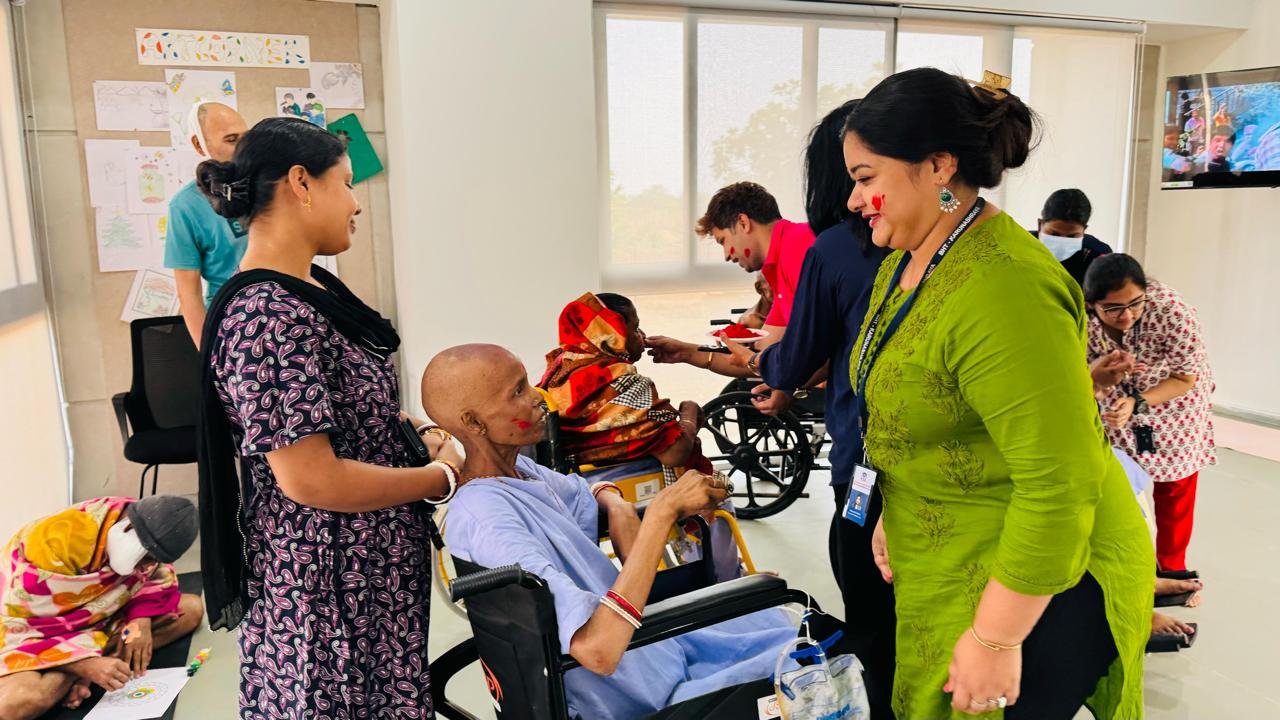
Renowned onco-psychologist Ms. Keshav Sharma explains that palliative care goes far beyond pain relief. “Palliative care humanises healthcare by improving quality of life for people with life-threatening illness through early, comprehensive physical, psychological, social and existential support, as emphasised by the World Health Organization,” she says. Referring to Cicely Saunders’ concept of Total Pain, she notes that suffering includes anxiety, depression, fear of death, grief, anger, caregiver burden and anticipatory loss, alongside physical symptoms. “Through psychological counselling, patients feel heard, supported, dignified and emotionally validated, while families receive guidance, clear communication and protection from burnout.”
She also highlights that despite being an essential component of universal health coverage, palliative care in India remains poorly understood, with only about 4% of those in need receiving it. Myths- that it is only for cancer, only for pain, only for the final days of life or a sign of giving up-often delay access and deepen suffering.
At Bagchi-Karunashraya Hospice, these principles are lived every day. Dr. Satish Sadangi, Palliative Care Physician, shares that they care for around 40 new admissions and nearly 20 re-admissions every month, amounting to approximately 700 to 750 patient care episodes annually. “We exclusively serve advanced-stage cancer patients, including both adults and children,” he says. “When patients and families come to us, their primary expectations are effective symptom control, emotional and psychosocial support, and a dignified, peaceful end of life.” Being completely free of cost, with no billing counter, the hospice lifts a heavy financial burden from families at their most vulnerable moment.
Behind these statistics are stories like that of Chudamani Das from Bargarh. Recalling his mother Sakuntala Das’s illness, he says, “When my mother, 54, was diagnosed with gall bladder cancer in 2024, our world slowly began to fall apart.” With the support of Umeedein, she was admitted to Bagchi-Karunashraya. “My mother left this world peacefully, with dignity and without pain. That peace is priceless. I only wish the government of Odisha would make people aware of such services.”
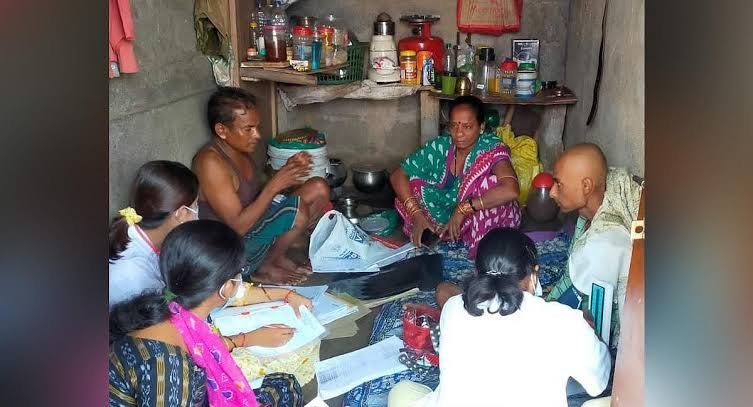
At Amrit Dhara Palliative Care Centre, Founder Dr. Mami Parija says, “Palliative care is a much-needed initiative, yet it remains one of the most neglected branches of healthcare. Access to palliative care is not a privilege but a fundamental right.” Managing Truste Mrs. Namrata Ratha adds that from inception till 30th November 2025, 1,245 patients were registered and 4,509 OPD consultations conducted, all with free medicines and assured pain relief.
Former Prof & Head, Anaesthesiology, AIIMS, Bhubaneswar and pioneer in palliative medicine Dr. Sukadev Nayak observes that Palliative care in Odisha has certainly progressed, but it still remains fragmented, under-followed, and largely invisible to those who need it most. While services exist in major institutions like Acharya Harihar Regional Cancer Centre, AIIMS Bhubaneswar, SUM Hospital, Karunashraya, Amrit Dhara and some district headquarters hospitals, true statewide coverage is far from adequate. Government initiatives under the District Cancer Control Programme invested heavily in training and infrastructure, yet the palliative care component failed to take root due to lack of follow-up, frequent transfer of trained doctors, irregular availability of morphine, and absence of community ownership. There is a severe shortage of genuinely trained and motivated palliative care professionals, compounded by the non-implementation of national guidelines mandating palliative care education in MBBS and nursing curricula. In Odisha, where most cancers are diagnosed at an advanced and incurable stage, continuing aggressive and costly treatments in the final hours of life not only causes avoidable suffering but also represents a colossal wastage of scarce healthcare resources. Palliative care must therefore be integrated into primary healthcare and district hospitals through focused awareness, selective grooming of interested professionals, continuous evaluation, and proper counselling of patients and families. Until early detection becomes widespread, palliative care remains the most humane, rational, and cost effective response to advanced cancer- offering pain relief, symptom control, dignity, and quality of life without the burden of financial toxicity. The state urgently needs a clear palliative care policy, legislative backing, visible public awareness, and postgraduate courses in palliative medicine in all medical colleges to ensure that no patient is forced to suffer unnecessarily at the end of life.”
As Odisha moves forward, the challenge is no longer just to add beds or centres, but to weave palliative and hospice care into the fabric of the health system and community life. From rural villages to urban hospitals, from the educated to the unlettered, awareness must reach every household. For patients at the edge of life and for families learning to let go, palliative care is not about the end. It is about ensuring that every remaining moment is lived with comfort, compassion and dignity and that is a responsibility the state can no longer afford to overlook.