


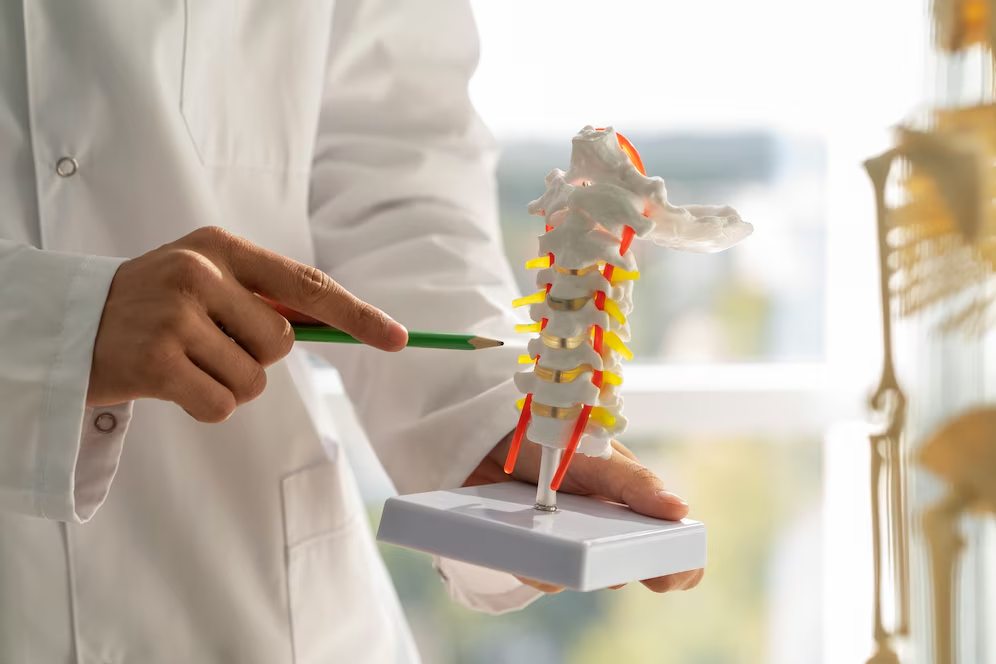
Back and spine pain has quietly become one of the most common public health concerns in Odisha today. From Bhubaneswar’s fast-growing IT corridors to the agricultural belts of Kendrapara, Ganjam, and Mayurbhanj, people from all walks of life report persistent lower back discomfort. Recent clinical observations suggest that nearly 6 in 10 adults in Odisha experience some form of back pain during their working life- often ignoring it until the pain becomes severe.
The Odisha Back: Where Daily Life Meets Daily Strain
Odisha’s lifestyle, work patterns, and even commuting habits place unique stress on the spine. Here are the major contributors:
The Long-Distance Bike Commute
Thousands of office-goers in Bhubaneswar, Cuttack, Rourkela, and Berhampur rely on bikes daily. Poor road conditions, long traffic jams, and constant vibrations strain the lumbar region (the lower back). Sitting forward on the bike for long stretches compresses the spine and weakens core muscles over time.
The Agricultural Angle
Farmers across coastal and western Odisha spend hours bent over fields- sowing, weeding, harvesting. Continuous forward bending, lifting sacks of paddy, and repetitive manual work put significant stress on spinal discs and lower back muscles. Many rural elders quietly live with chronic back pain as part of their daily reality.
The Desk Job Dilemma
With Bhubaneswar turning into a major IT and service hub, long hours of sitting in front of screens have become the norm. Poor posture, weak ergonomics, inadequate chairs, and limited movement contribute to stiffness, neck pain, and lower back issues among young professionals.
The Homemaker’s Burden
Many Odia women manage kitchens that require regular bending, lifting water buckets, washing clothes, squatting while chopping vegetables, or cleaning floors. These tasks, repeated for years, often cause muscle strain or ligament stress– but they rarely receive medical attention.
Demystifying the Pain: What’s Really Happening Inside Your Back
The spine is a column of vertebrae (bones) separated by soft discs that act like shock absorbers. Together with muscles and nerves, this structure supports your entire body.
Back pain usually occurs when:
- A disc bulges or slips (also called a herniated disc)
- Muscles or ligaments get overstretched
- Spinal joints develop osteoarthritis due to age
- Bones weaken due to osteoporosis, common in older women
Among all regions, pain in the lumbar region is most common because it carries the maximum load.
When to Sit Up and Take Notice – The Red Flags
Seek immediate medical help if you notice:
- Pain spreading to the legs or causing numbness
- Difficulty standing or walking
- Loss of bowel or bladder control
- Pain after a fall, accident, or heavy impact
- Fever or unexplained weight loss along with back pain
- Pain lasting longer than two weeks
A definitive diagnosis from a qualified orthopaedic professional is crucial
Beyond Painkillers: A Modern Approach to Relief
Many in Odisha rely on balms, hot water bags, home remedies, or over-the-counter painkillers. While these may offer temporary relief, they do not fix the underlying issue.
A long-term solution requires:
1. Professional Evaluation
A trained orthopaedic specialist can identify whether the pain is muscular, disc-related, inflammatory, or nerve-based
2. Structured Physiotherapy
Exercises designed by certified experts help strengthen the core, improve flexibility, and reduce inflammation.
3. Lifestyle Interventions
- Use ergonomic chairs in offices
- Take 2–3 minute stretch breaks every 45 minutes
- Avoid lifting heavy loads alone
- Maintain a healthy body weight
- Use proper bike posture while commuting
4. Modern Medical Options
In severe cases, doctors may suggest advanced imaging, targeted injections, or minimally invasive procedures.
Conclusion: Your Spine Deserves Attention, Not Tolerance
Back pain is not “normal,” nor is it something to tolerate silently. Whether you are a farmer in Balasore, a homemaker in Sambalpur, or a young IT engineer in Bhubaneswar, your spine carries the weight of your entire life- literally and figuratively. Paying attention to early symptoms, seeking timely help, and choosing the right treatment approach can protect your mobility and quality of life for years to come.
Ignoring back pain today often becomes tomorrow’s disability. Your spine deserves care- starting now.